

Social media has well and truly cemented its place in everyone's lives, and if you’re running an online business, you can’t really avoid it!
It’s completely changed the way we run businesses, and has made starting and growing your own business so much more accessible.
You can get your work, ideas, products and services in front of people all over the world without needing a huge marketing budget. Pretty cool, right?
But which social media platforms should you actually be using for your business? There’s Instagram, TikTok, Pinterest, Facebook, LinkedIn, Threads, YouTube, X… and those are just the big ones.
Not only are there a gazillion social media platforms, but it takes A LOT more than just signing up to them to start seeing the clients and money rolling in. You have to invest time and strategy. And of course, the strategy for each platform is different.
And honestly, it’s completely unrealistic to try and master them all, especially if you’re just a one-woman show.
We like to keep things as simple as possible, because business can get complicated and overwhelming really fast. So rather than spreading yourself too thin, it usually makes much more sense to focus on one or two platforms that actually suit your business and your audience, and do those well.
When Big Cat Creative first started, the main platforms we focused on were Instagram and Pinterest. That was it. No YouTube strategy, no LinkedIn plan, no trying to show up everywhere at once.
And that worked because those platforms made sense for the business, the kind of content we were creating and the people we wanted to reach. The right platforms for your business might be completely different and that’s what we’ll be exploring in this post!
Let’s dive in!
Where are Your Ideal Clients Hanging out Online?
If you’re thinking, “what’s an ideal client?” then you need to take a step back and figure that out first.
Your ideal client (or target audience) is basically a dream client, someone that you enjoy working with and also someone who’s a good fit for what you offer and who can genuinely benefit from your products or services.
And because every business is different, there’s no one-size-fits-all answer here! Even two businesses offering something really similar might have totally different audiences, which means the best social media platform for one might be totally wrong for the other.
Look at Their Online Behaviour
Think about your ideal client’s actual online behaviour and ask yourself:
Where do they go for inspiration?
Where do they search for answers?
Where do they discover new products or services?
Where do they follow businesses like yours?
Where are they actually clicking through, enquiring, buying or booking?
So instead of asking, “Should I be on Instagram or TikTok?” start by asking:
Where does my ideal client already spend their time online?
If you’re not too sure where to start, this website lists the common social media demographics so you can get a better idea of who hangs out where. You can also choose some real-life ideal clients and see where they are online. Are they most active on Instagram, LinkedIn, or Pinterest?
You don’t need to be everywhere, you just need to show up where the right people are already paying attention!
Don’t Just Choose Your Favorite Platform
This is an easy trap to fall into.
If you’re a creative or designer, you’re probably all about the visuals and showing off your work, so Instagram may seem like the perfect fit.
But if your ideal clients are spending most of their time on LinkedIn, then LinkedIn probably deserves more of your attention.
That doesn’t mean you can’t use other platforms you enjoy. If you love Instagram, post there! Just make sure most of your time and energy is going into the one or two platforms that make the most sense for your actual audience.
Where is Your Competition?
Think about an established professional who is in the same industry as you, and has the same target audience/ideal client as you. What social media platforms are they on?
And if they’re on every platform, dig a little deeper. Where are people actually engaging? Which posts are getting comments, shares or conversations? Where do they seem to be putting the most energy?
If their Facebook is busy but their Instagram is pretty quiet, that can give you a clue about where their audience is spending more time.
But as always, this comes back to your target audience. This strategy will only work if your target audience is the same! Use competitors for research, not as a rulebook.
Which Social Media Platform is Best for Your Business?
Once you’ve got a clearer idea of where your audience is hanging out, it gets a lot easier to choose where to focus.
Here’s a quick rundown of the main platforms and what they tend to be best for:
Instagram is still a great all-rounder for small businesses, especially if your work is visual or your brand has a strong personality behind it.
You’ve got reels for discovery, carousels for educational content, stories for the everyday stuff, and highlights for keeping useful information easy to find.
Best for: creatives, designers, photographers, beauty and wellness businesses, hospitality, coaches, product-based businesses, and personal brands.
👉 How to Attract Clients and Grow your Business on Instagram
👉 How to Make Your Instagram Reels go Viral
👉 How to Promote Your Website on Instagram
TikTok
TikTok is all about short-form videos and content that feels a little less polished.
It can be great for sharing quick tips, tutorials, behind-the-scenes, transformations, and anything that lets people see a bit more personality.
You definitely don’t need a perfectly curated feed here. Useful, entertaining, and relatable usually matters more!
Best for: product businesses, creatives, beauty, fashion, food, educators, and businesses that are comfortable creating video content.
Pinterest works a little differently from most social platforms because it’s really more of a visual search and discovery platform.
People go there looking for ideas, inspiration, products, and solutions, which means your content can keep getting found long after you originally post it.
It’s especially handy if you have blog posts, products ,or evergreen content you want to keep sending people back to.
Best for: bloggers, designers, interiors, weddings, food, travel, fashion, DIY, and ecommerce.
👉 How to create an organic Pinterest marketing strategy for your biz
👉 How to use Pinterest for your business: Profile set up and optimization
👉 How to design kick-ass Pinterest graphics that are optimized to get clicks
Facebook may not be the shiny new platform anymore, but it can still be really useful depending on your audience.
It tends to work well for local businesses, community groups, and events. It’s also still a big part of Meta advertising.
Best for: local businesses, community-led businesses, events, and businesses targeting a broad or slightly older audience.
If you work with a lot of other business owners, or more corporate/professional clients, LinkedIn is definitely worth a look.
It’s a great place for sharing expertise, industry insights, educational content, and building relationships with potential clients or collaborators.
Best for: consultants, agencies, coaches, professional services, and founders.
Threads
Threads is much more casual and conversation-focused.
It’s good for sharing quick thoughts, opinions, little business updates and joining conversations without needing to design a whole post every time.
If your personality is a big part of your brand, it can be a really easy way to show more of it. It’s also a great platform if you like journalling already.
Best for: personal brands, creatives, writers and copywriters, founders, and service-based businesses.
X (formerly Twitter)
X is probably a little more niche for most small businesses these days, but it can still make sense if your industry is very news, commentary or conversation driven.
It tends to move quickly and works best if you actually enjoy joining real-time conversations rather than simply posting promotional content.
Best for: tech, finance, media, news, sports, and industries built around real-time discussion.
YouTube
YouTube is a great option if you create educational or tutorial-based content and want something with a longer lifespan.
Unlike fast-moving social posts, a useful YouTube video can keep getting discovered through search months or even years later.
It does take more time to create than a quick Instagram post or Thread, but the content can work a lot harder for you over time!
Best for: educators, tutorials, software, DIY, fitness, beauty, product demos, and businesses that have something useful to teach or show.
Keep Your Social Media Strategy Simple
You really don’t need a super complicated social media strategy to get started.
Pick one or two platforms that make the most sense for your audience, and focus on showing up there regularly with content that’s actually useful.
That might mean:
Doing Q+As
Sharing quick tips
Showing your work or process
Posting testimonials and showcases
Sharing the behind-the-scenes
Talking about your products or services
Directing people to helpful blog posts, freebies, or your website
When, where and how often you post is totally up to you. The main thing is that you’re showing up consistently enough for people to get to know what you do and how you can help.
And remember, you don’t need to create completely different content for every platform either. One idea can easily become a carousel, Story, Reel, Pinterest Pin, LinkedIn post, or email. Repurposing is a great hack to get your content reaching further.
👉 Instagram Story Prompts for Your Small Business — Never run out of Story Ideas!
👉 How & Why you Should Repurpose Your Blog Content
If you want to know more about your chosen social media and its best strategies, do some research! Social media is constantly changing and so are the best strategies, so it’s something you need to stay on top of.
Find some social media experts to follow, sign up to their email newsletters or read their weekly blog so you can learn the best strategies to put into place now, and so you can keep on top of them when they change (because they will!).
Use Templates
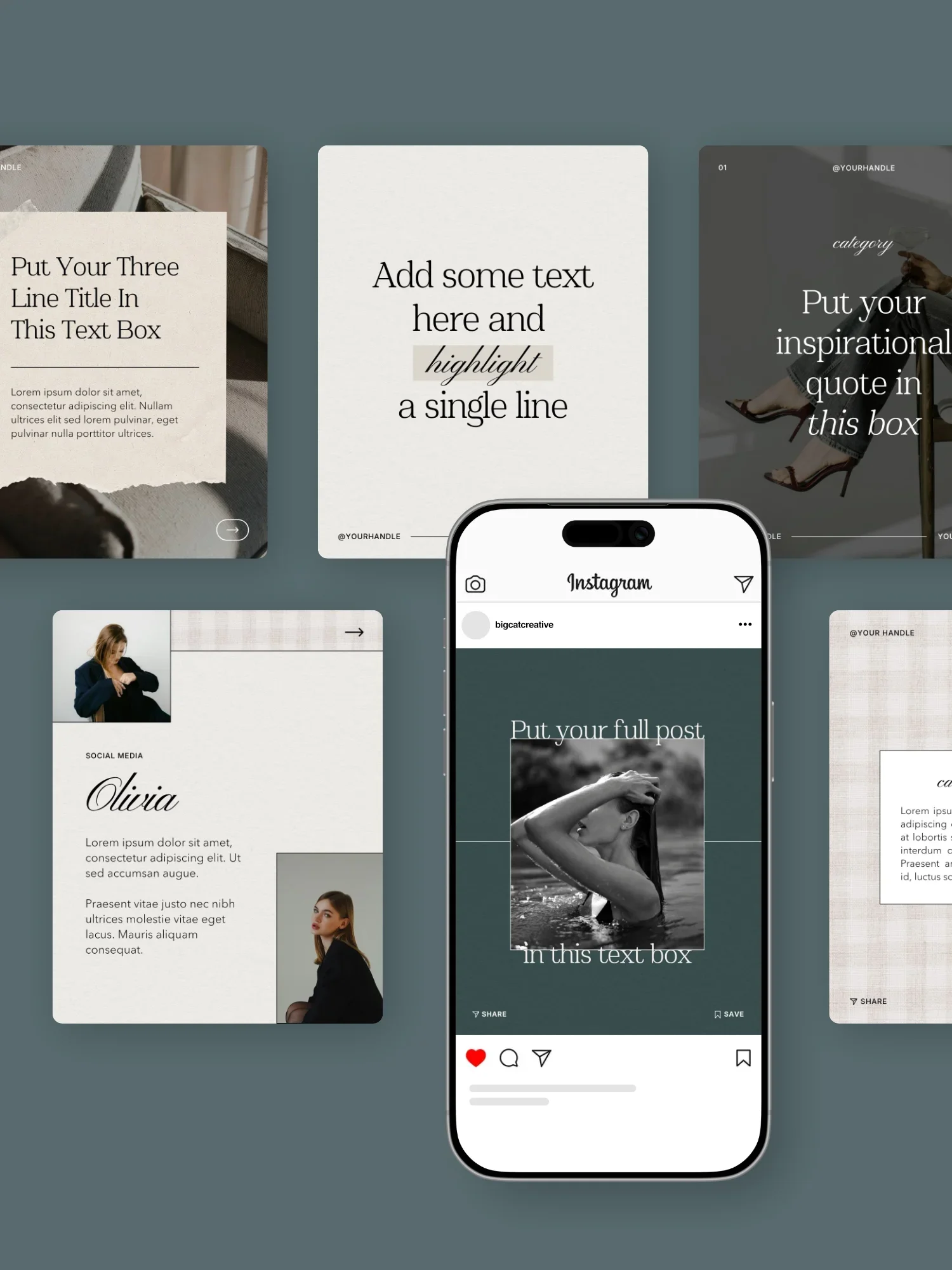
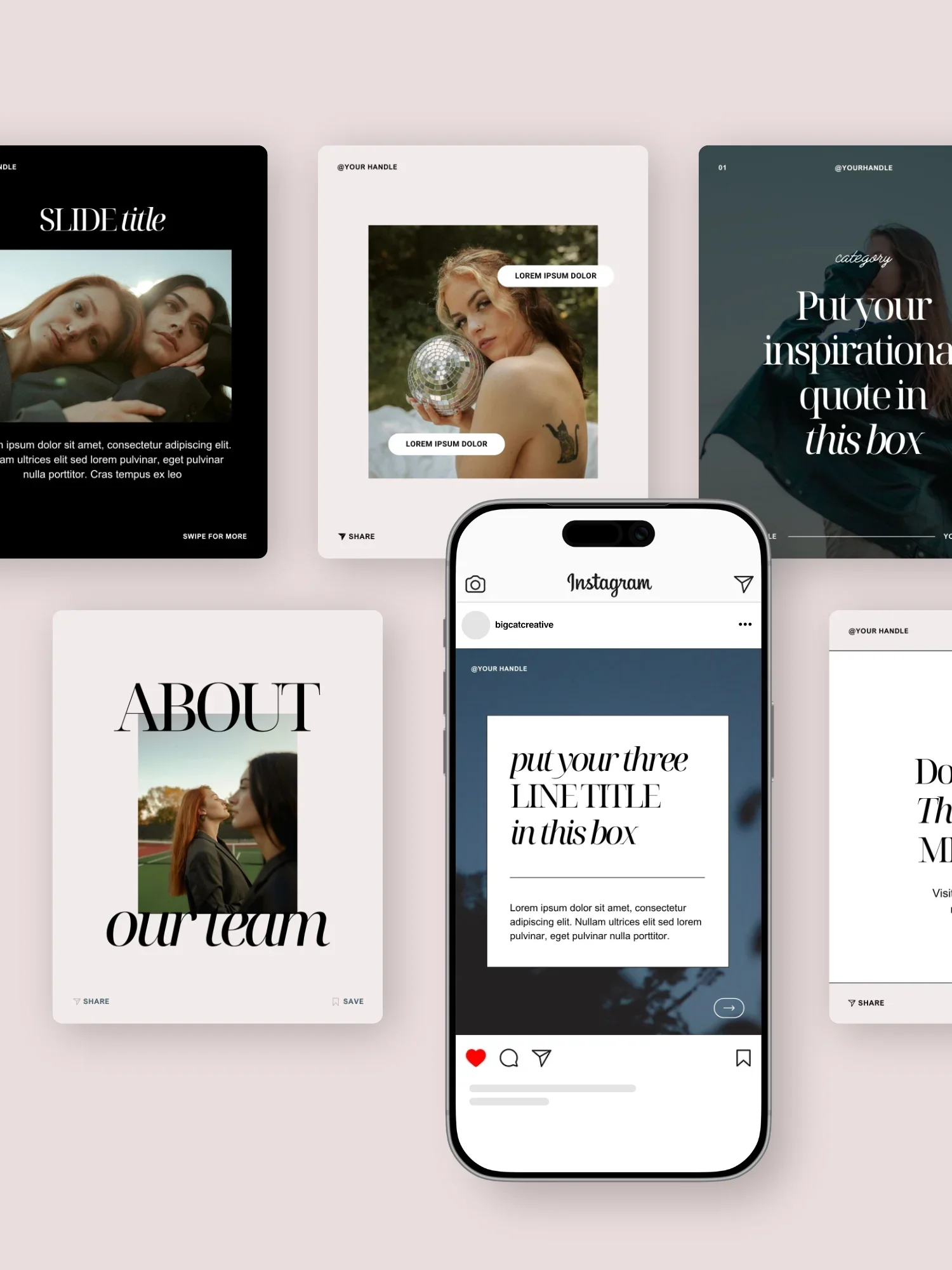
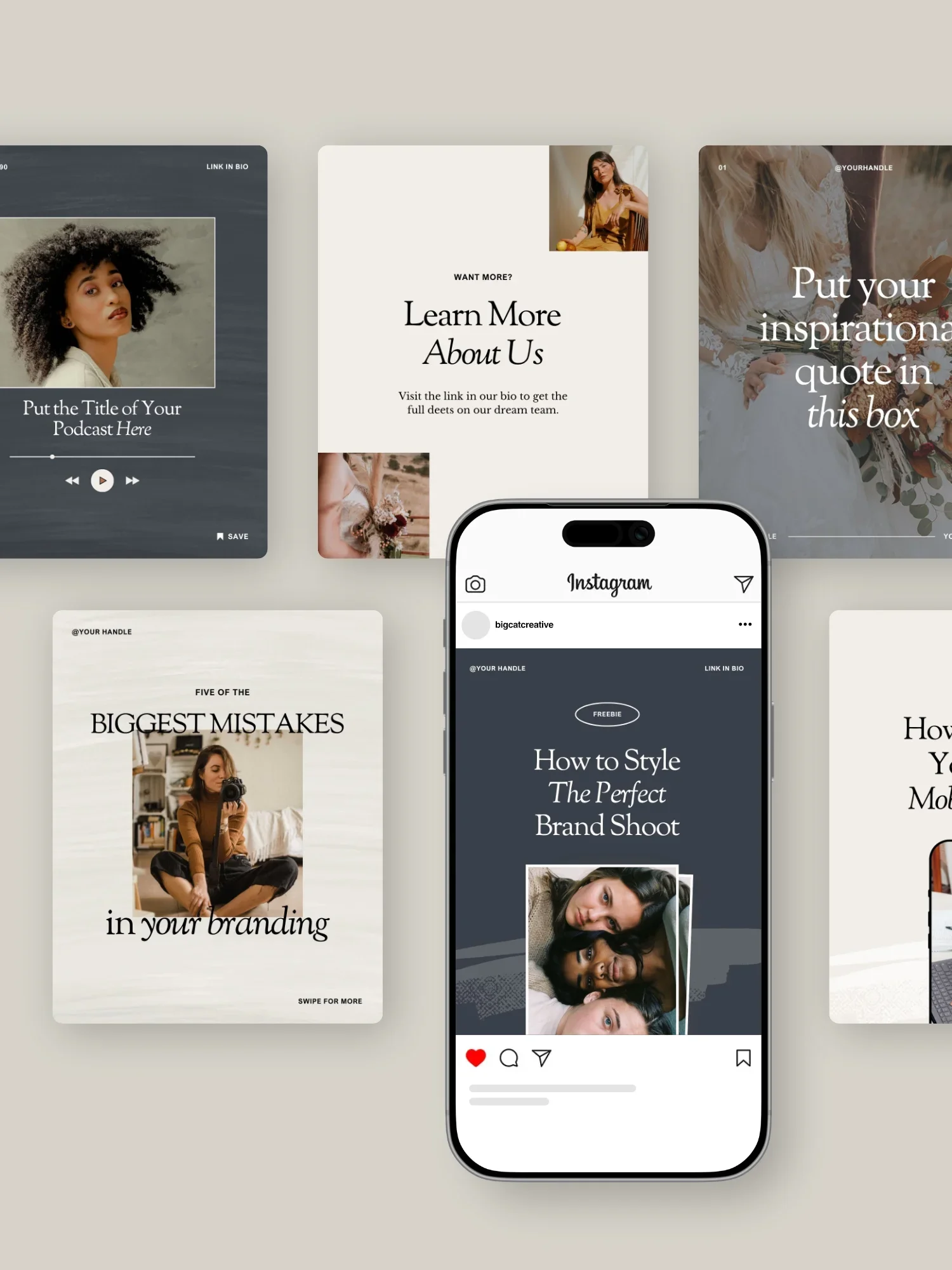
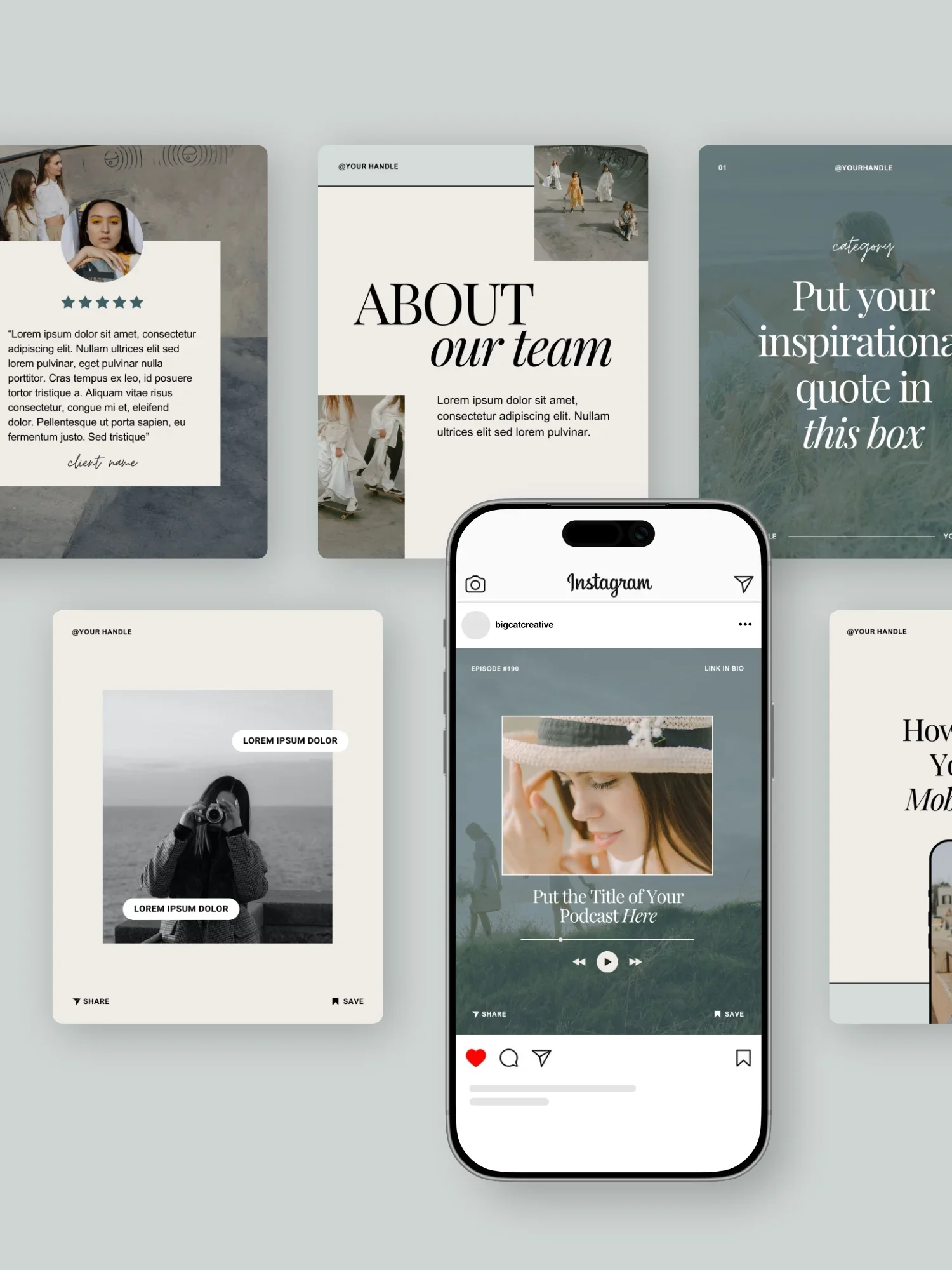
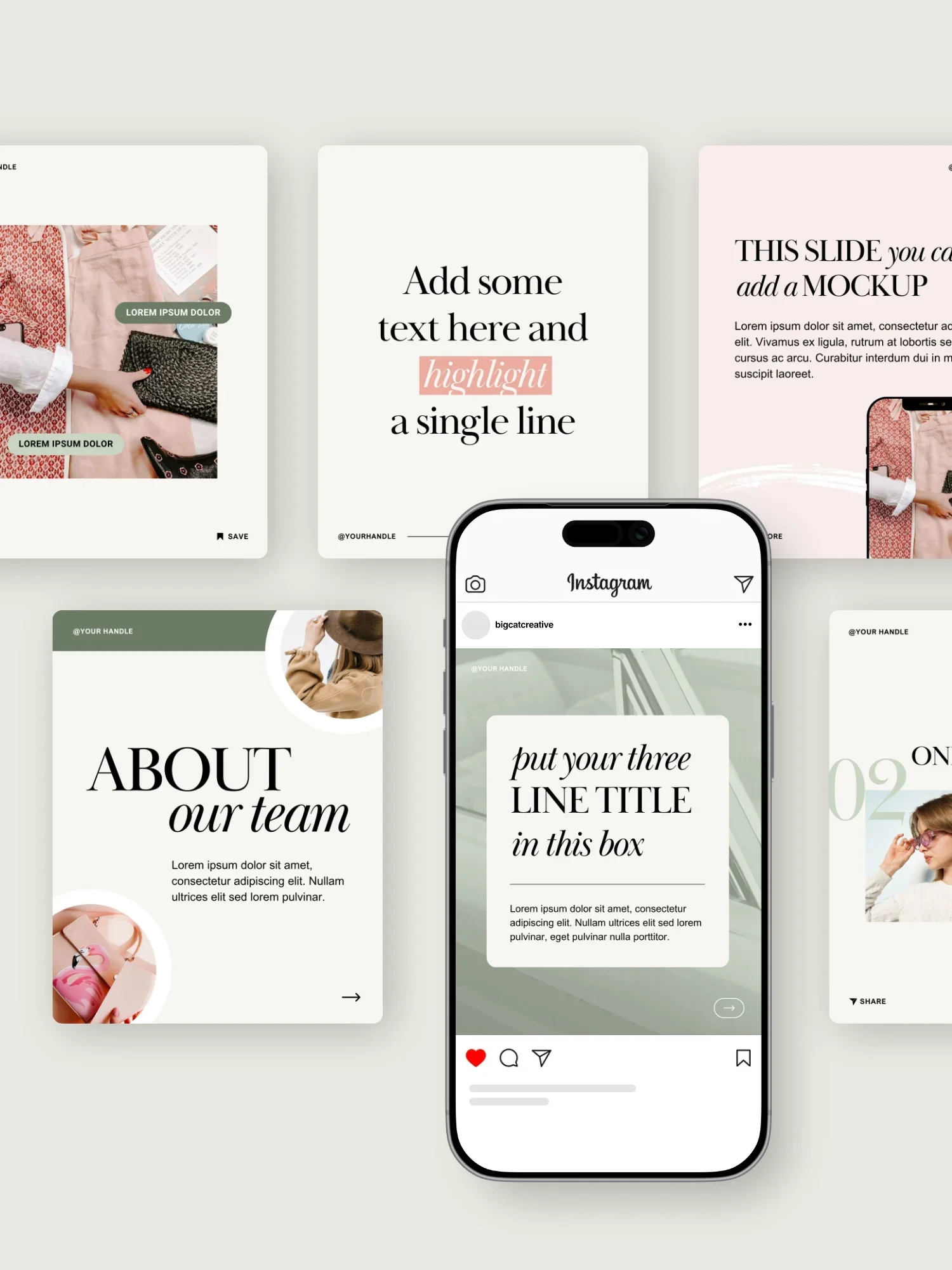
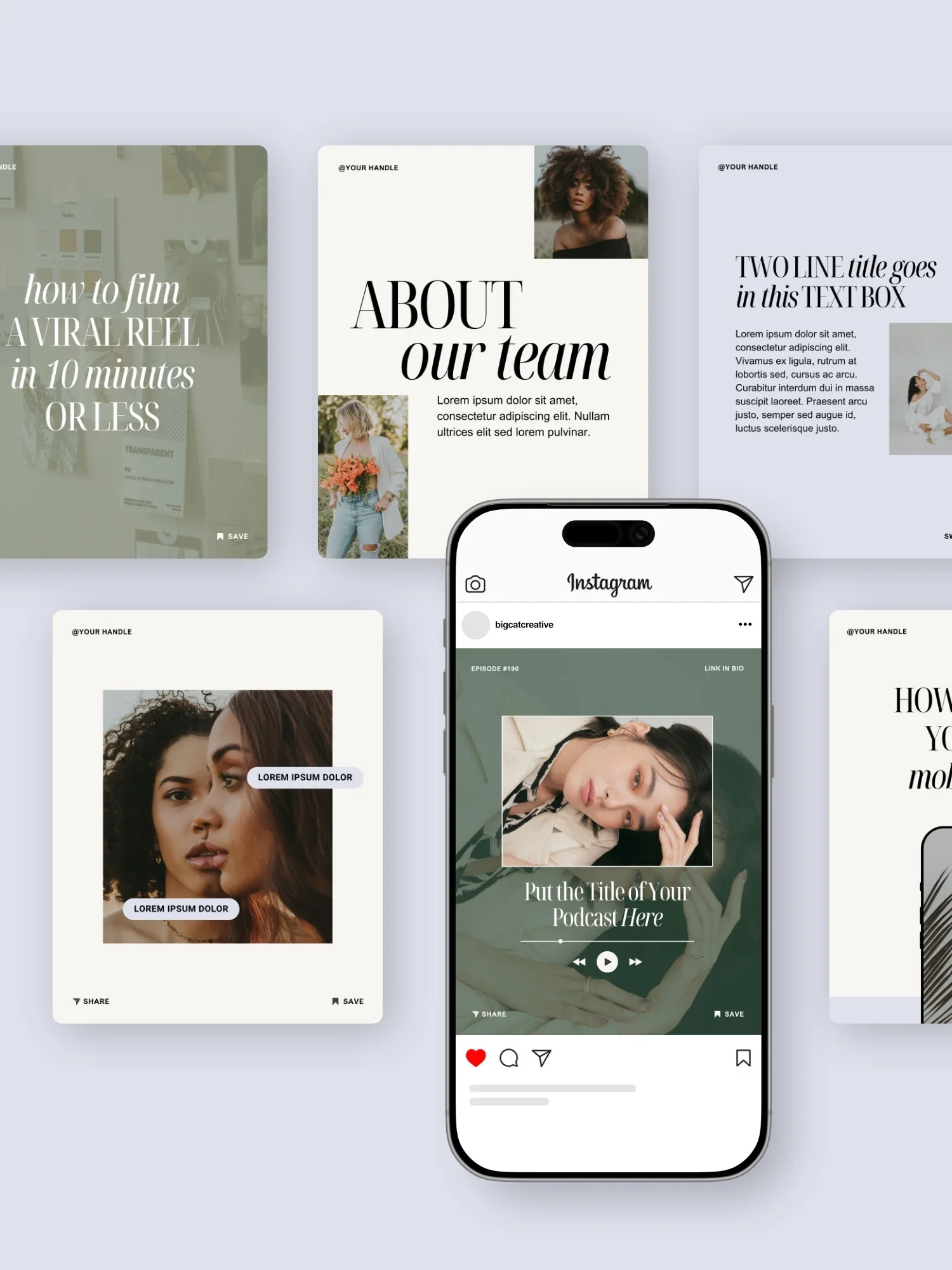
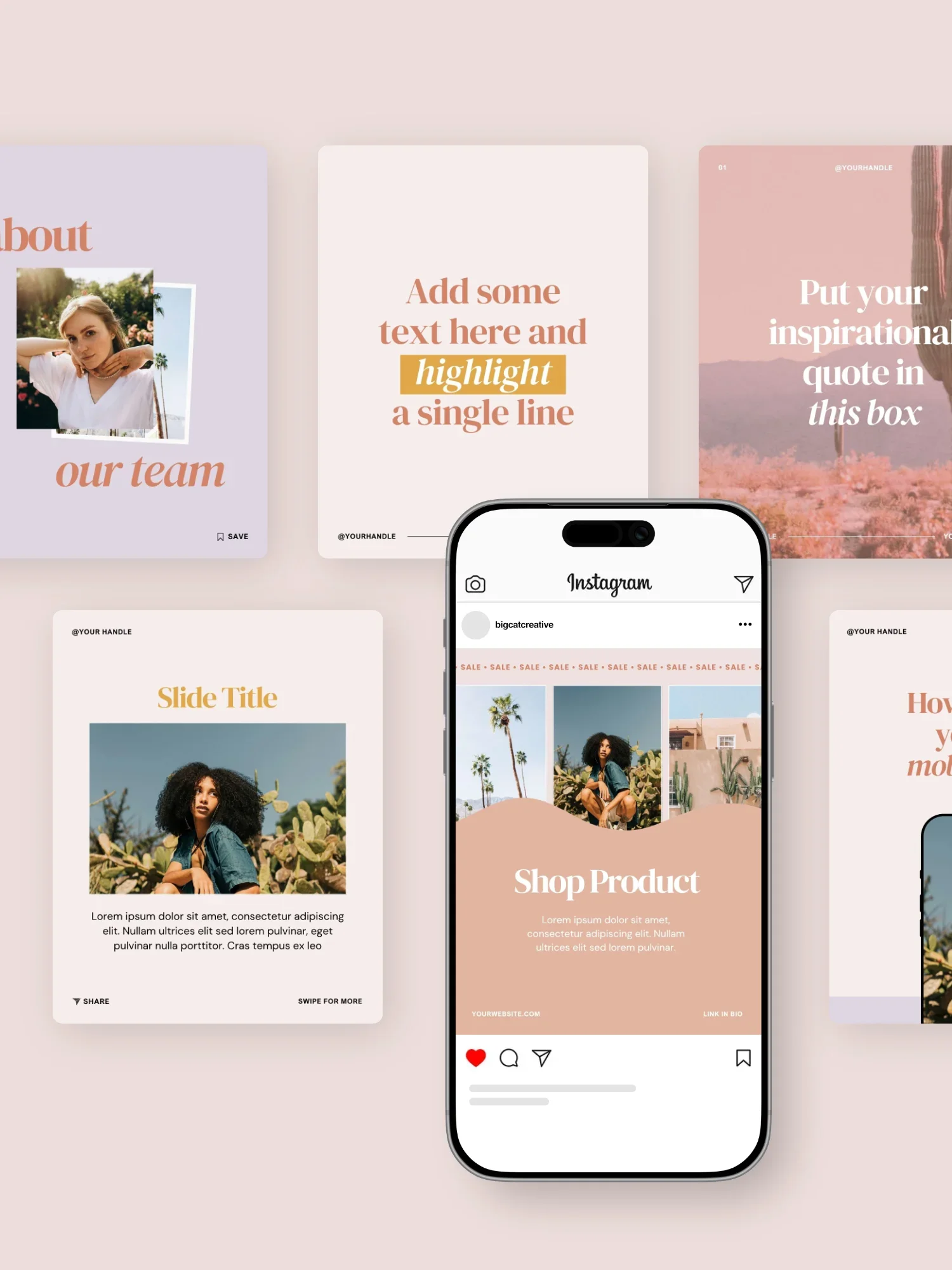
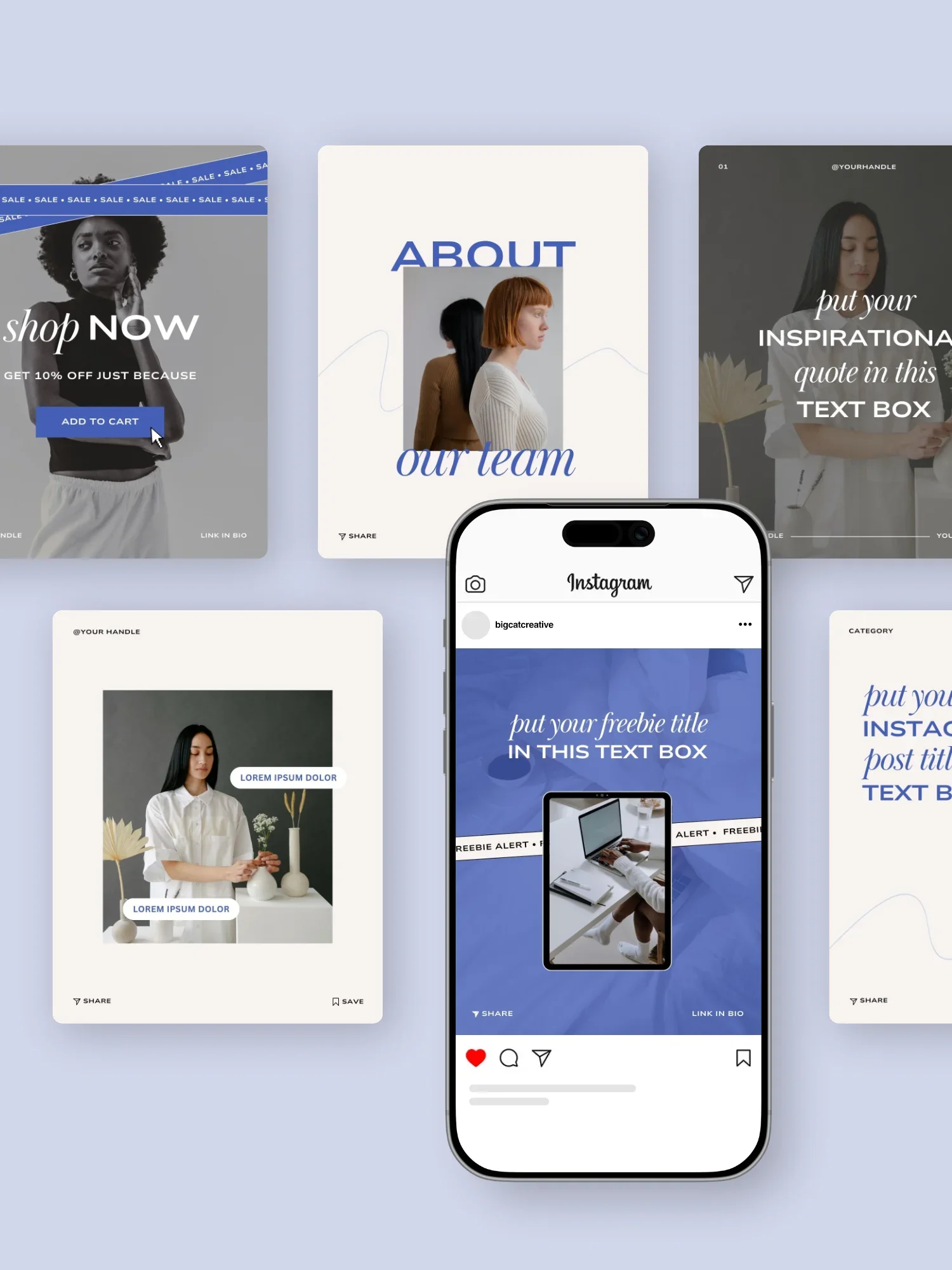
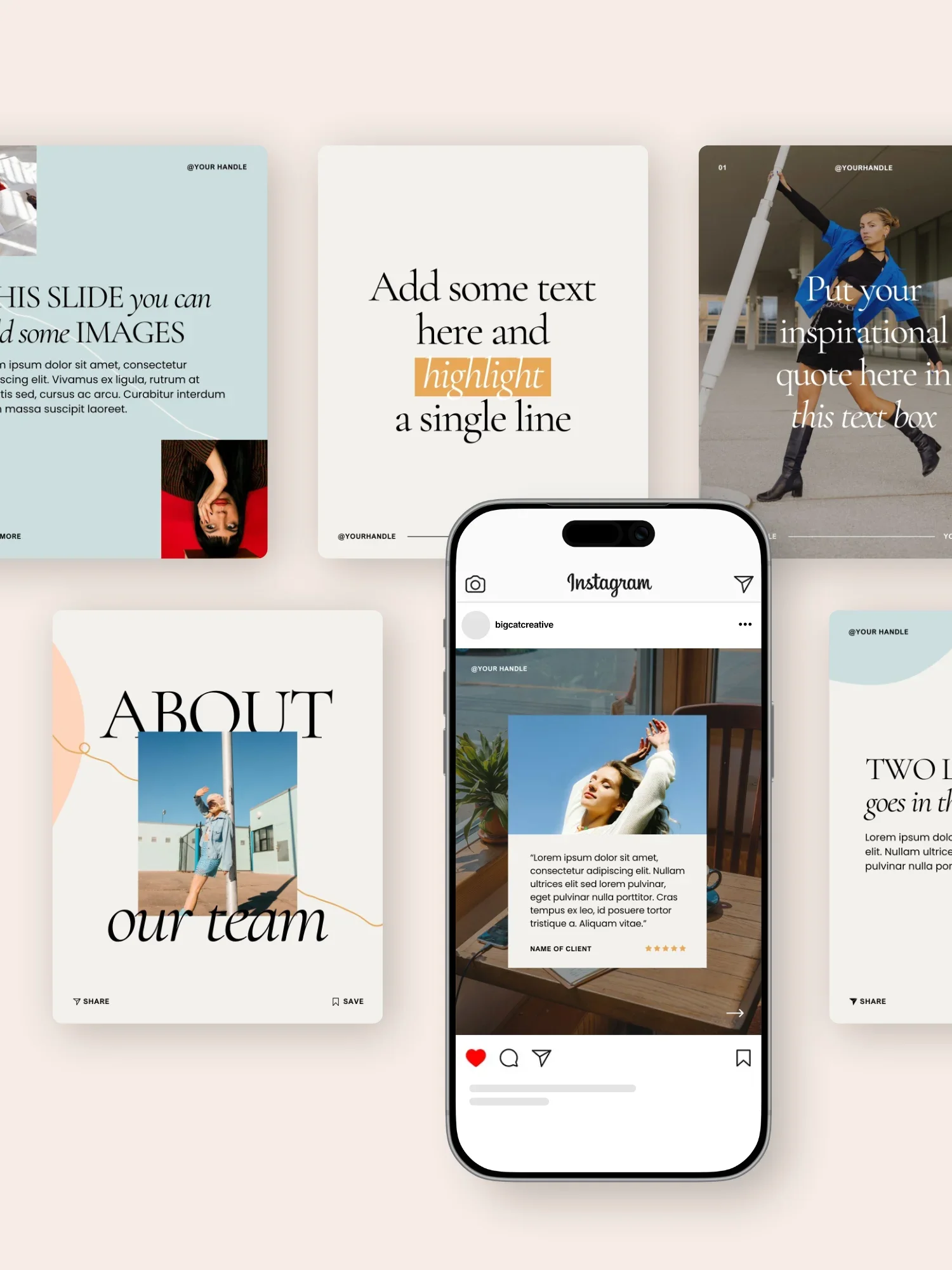
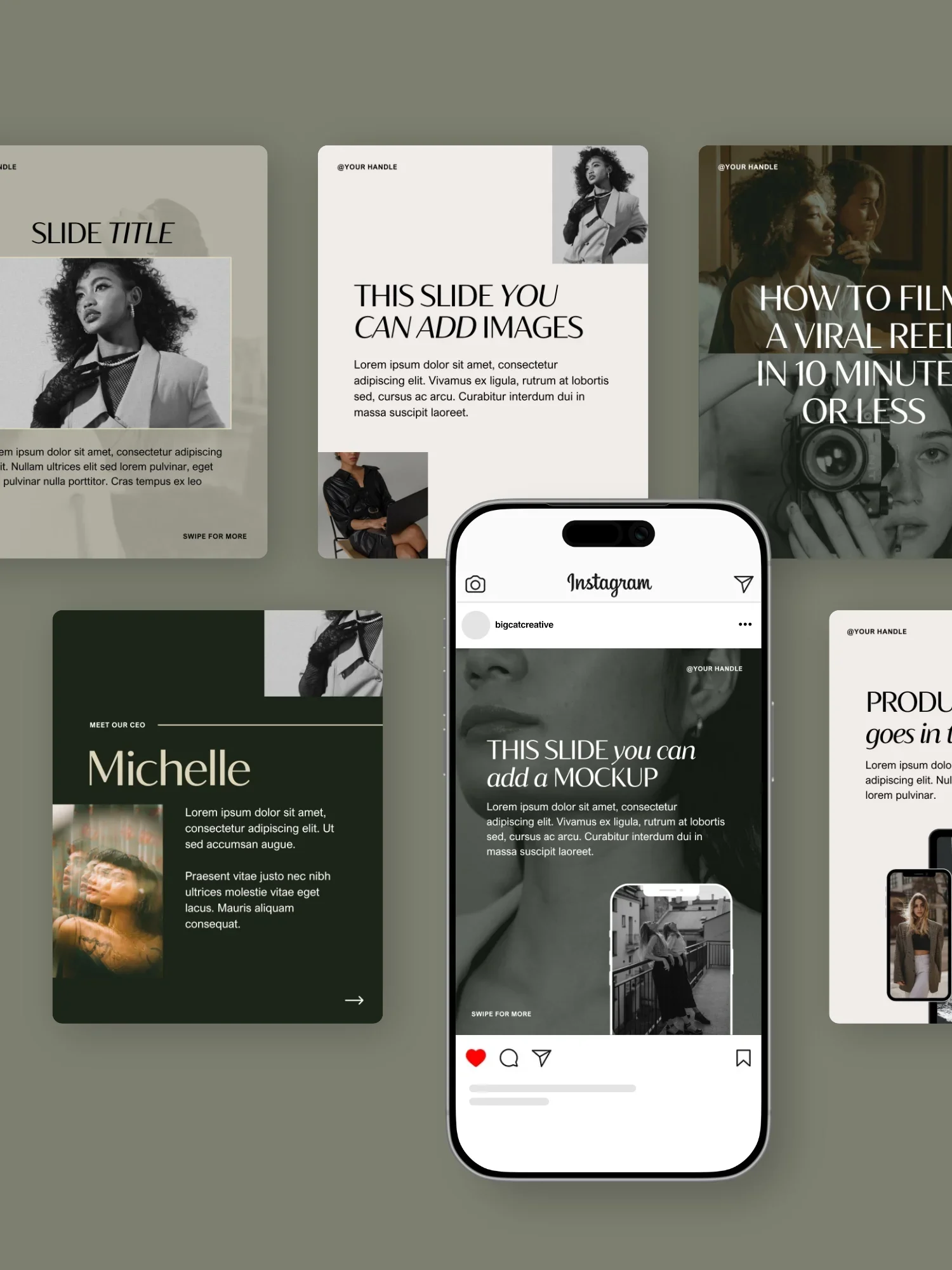
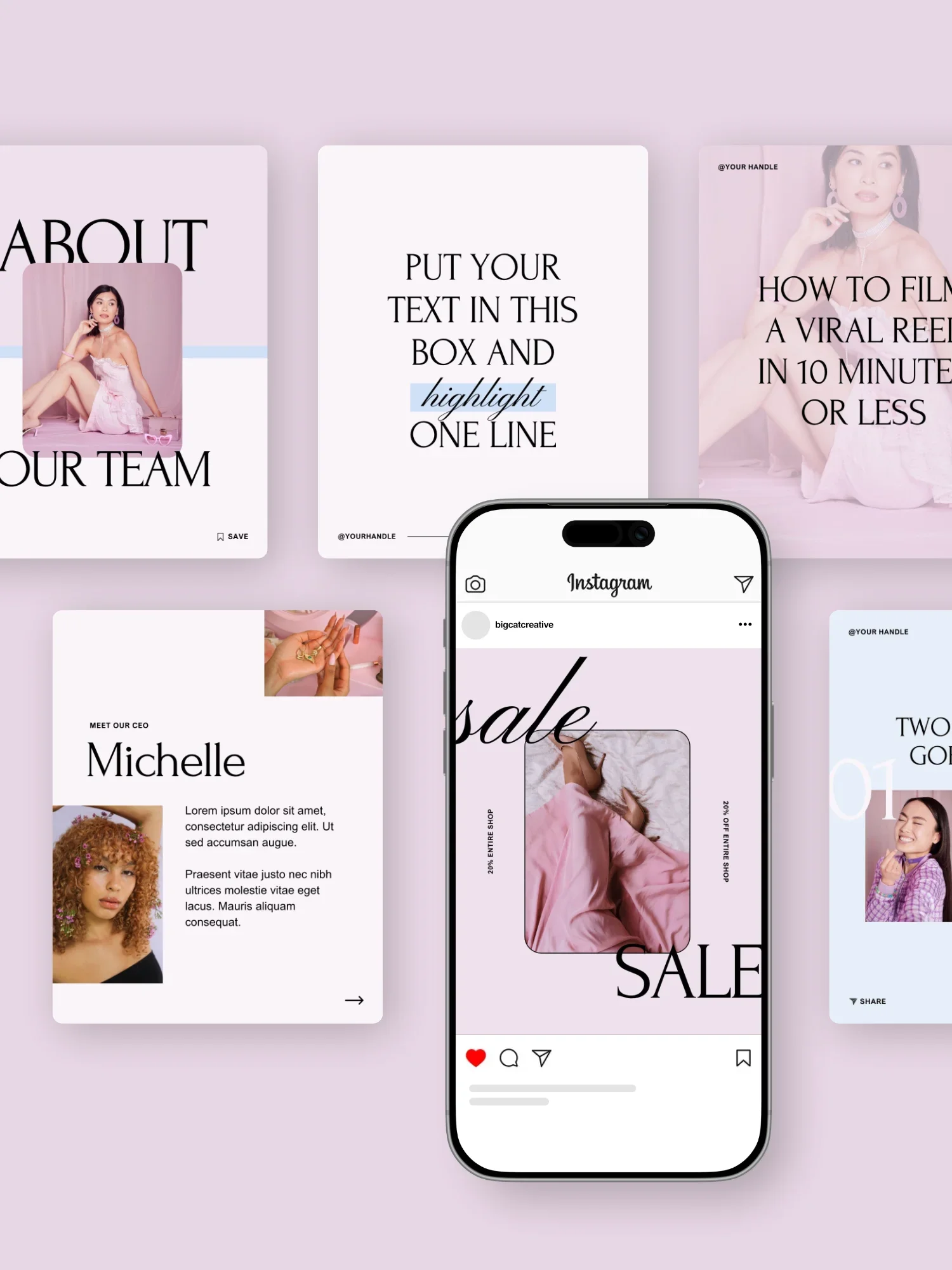
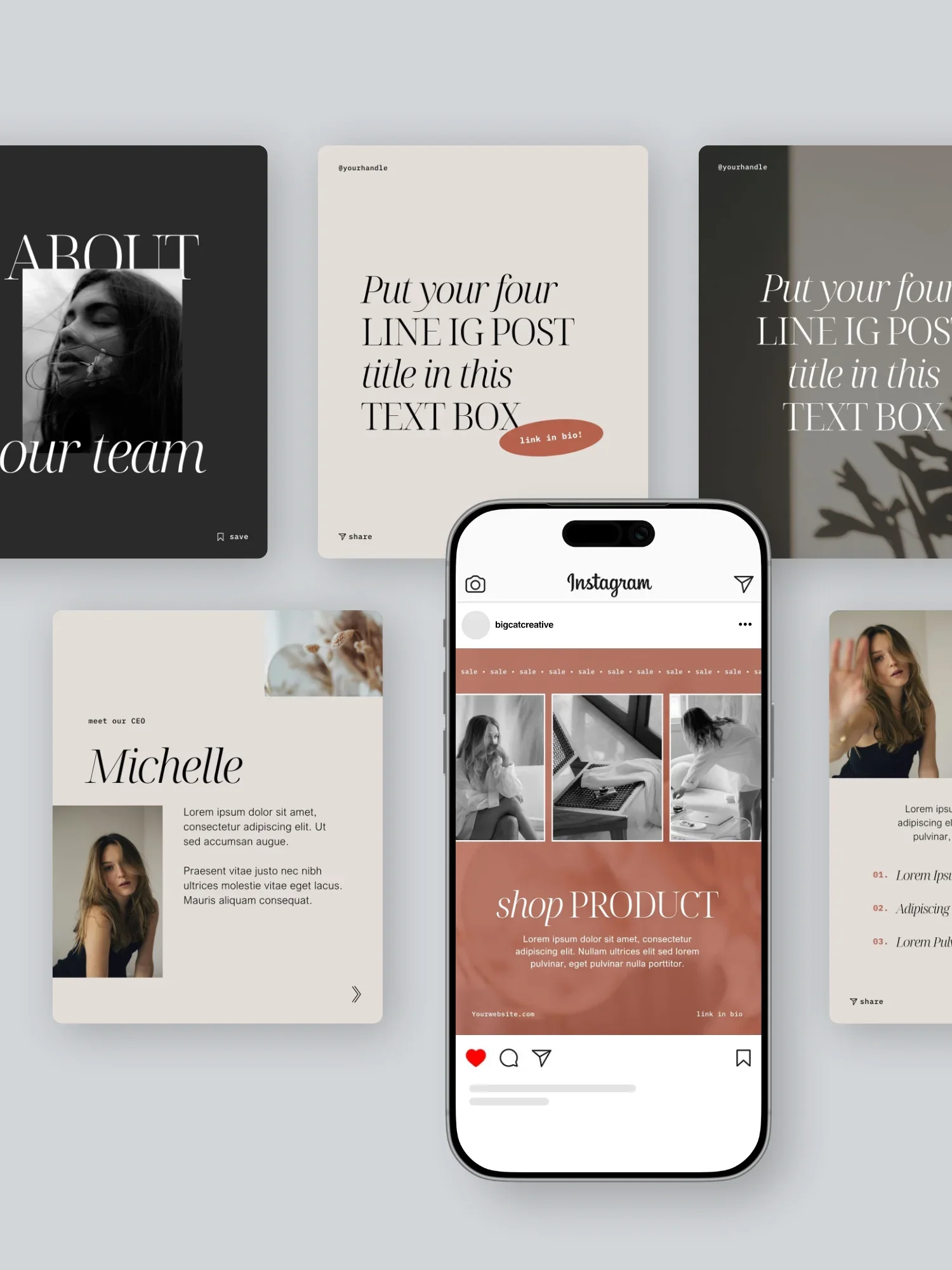
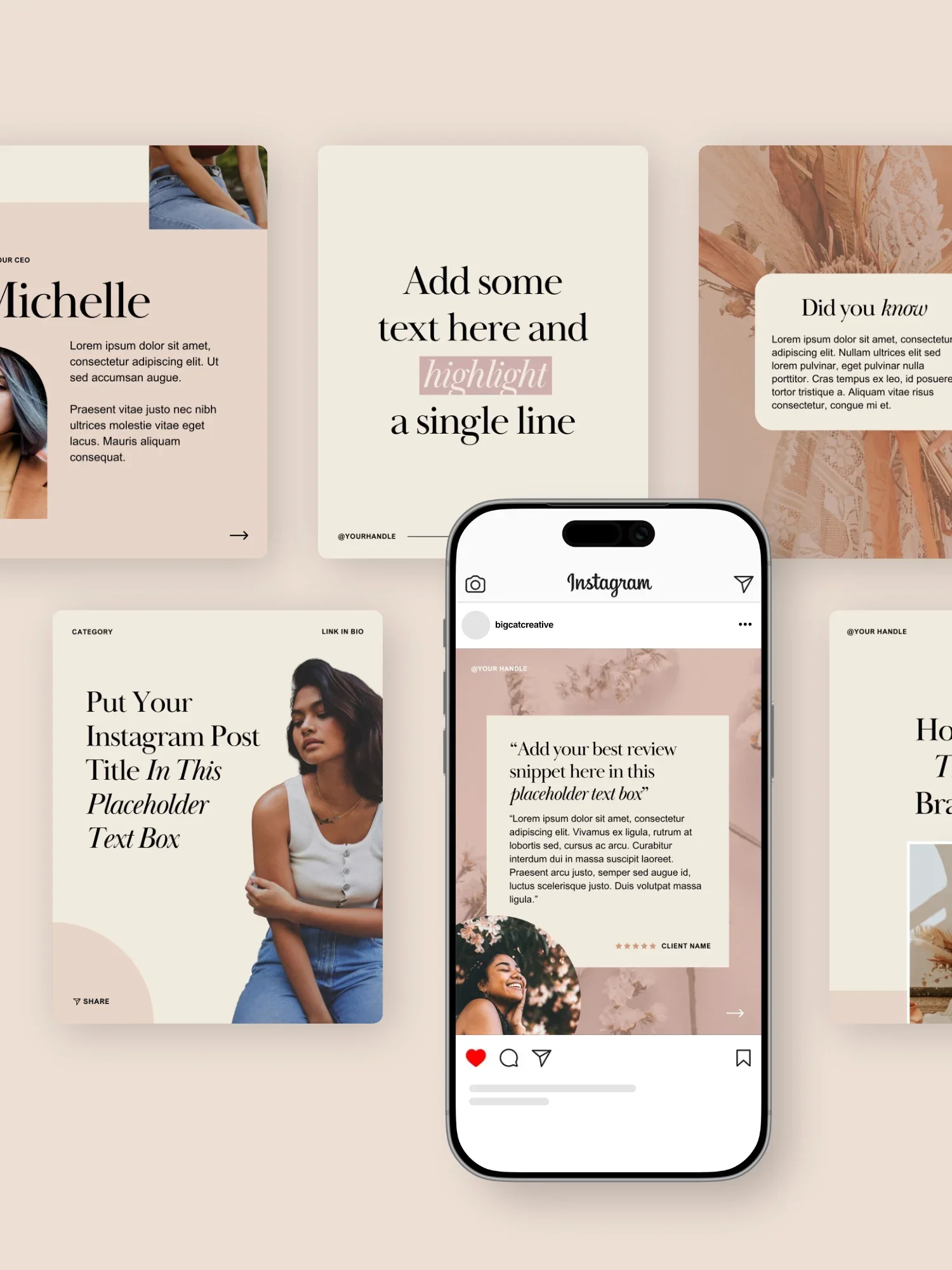
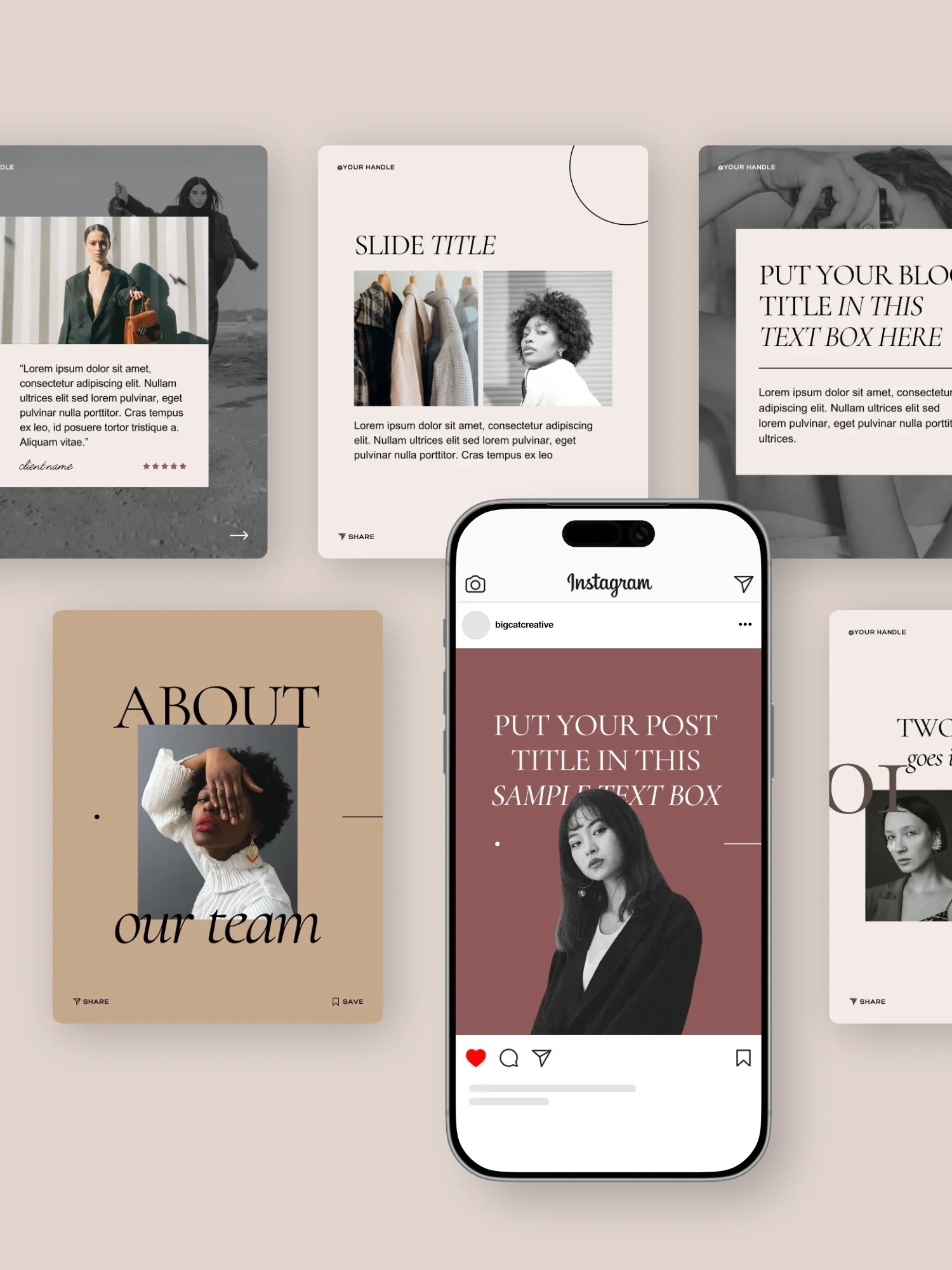
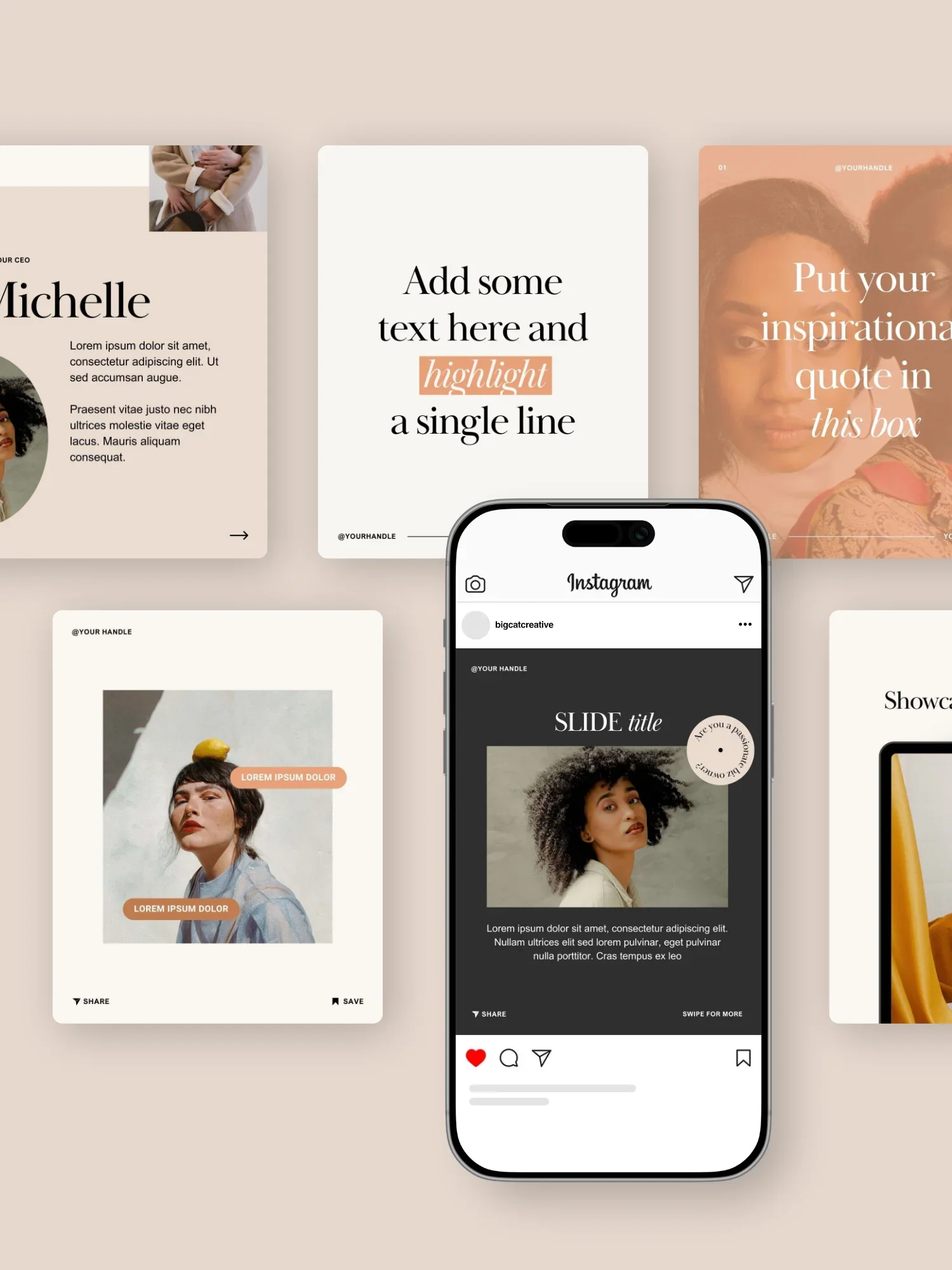
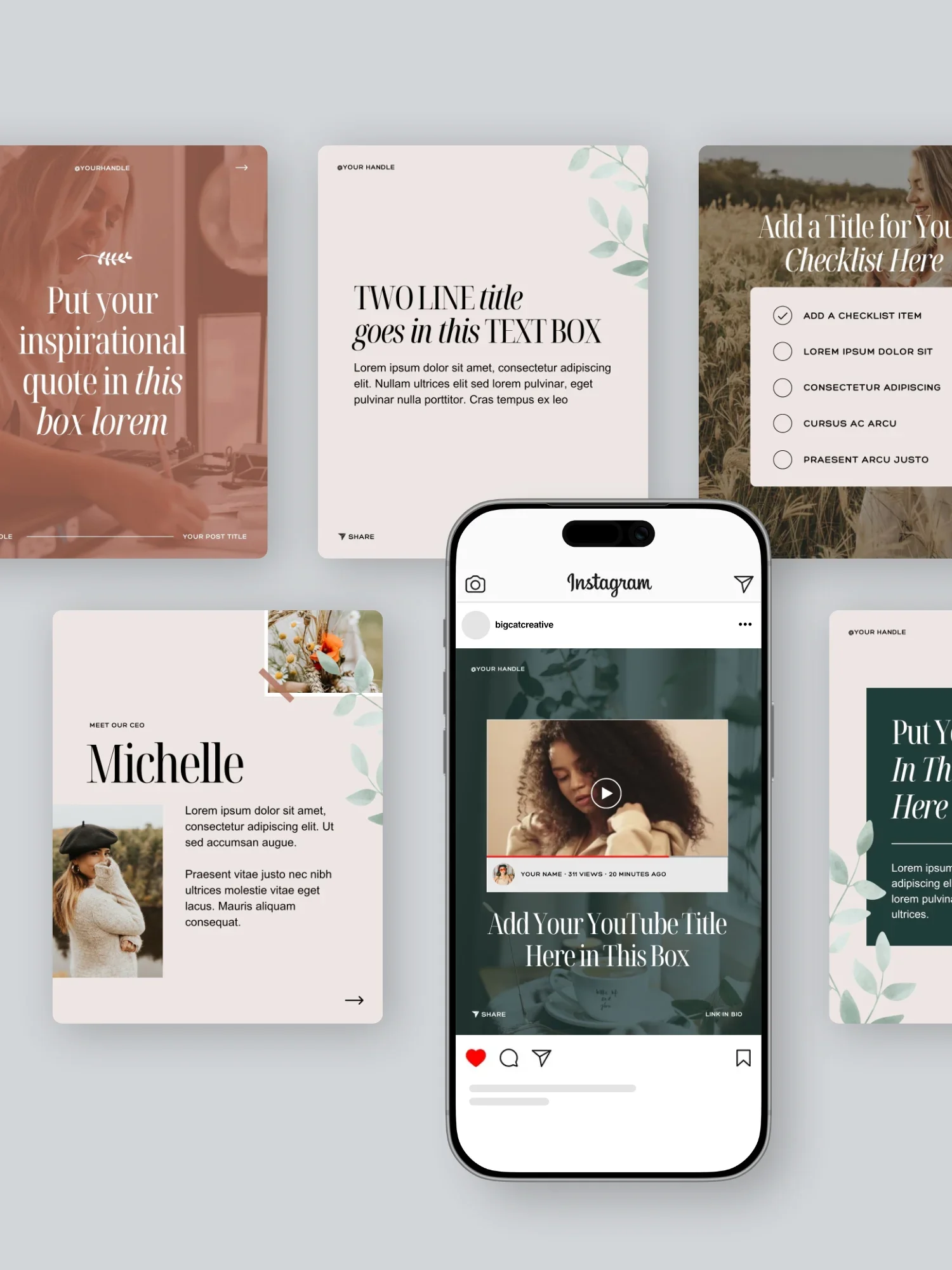
If the design side of social media is what tends to slow you down, our Canva Social Media Template Packs can give you a really handy starting point!
They include ready-to-customize posts, carousels, pins, stories, and reel covers, so you can swap in your own branding and content and get things out into the world a whole lot faster.
Check out our collection below:
So, let’s recap:
Start with your ideal client. Figure out who they are and where they actually spend their time online.
Choose one or two platforms that make the most sense for your business instead of trying to be everywhere.
Keep your strategy simple and show up regularly with useful, relevant content.
And because social media changes all the time, keep learning and adjusting as you go.
There really isn’t one perfect social media platform for every business. The best one is the one that puts you in front of the right people and that you can realistically keep showing up on.
Pick your platforms, keep it simple, and give them enough time to actually work.
Want more social tips? Check out the posts below!
Social Media Metrics: The Basics! What is the bare minimum you should be tracking and why
How to use Pinterest for your business in 2022: Profile set up and optimization
How to Create an Organic Pinterest Marketing Strategy for your biz
How to Grow your Business and get Clients with Instagram
Our go-to tools & techniques for scheduling content
How to make your Instagram Reels go viral
If you liked this post, Pin it to Pinterest! 👇🏻

Say hello to your new secret weapon for social! With a few clicks, the Josie Social Media Templates bring a bold, playful energy straight to your feed. With pops of color and fun graphic details, they’re made for creators who want their content to be totally scroll-stopping. Your content + Josie templates = match made in heaven!
What’s included?
81 Portrait Posts (1080x1350)
The perfect designs for Instagram Posts and Carousels. But can also work great for for Facebook Posts and Email graphics!
4 Seamless Carousels (1080x1350)
Specifically for a Instagram Carousels, these designs create a seamless scrolling experience and set a captivating canvas for your content.
84 Stories (1080x1920)
Perfectly crafted for Instagram and Facebook stories, these designs can also be repurposed for Pins, Reels and TikToks.
35 Reel Covers (1080x1920)
Ensuring your design looks good as a Reel Cover and on your Insta feed, these designs are tailor made to make sure you look good across allll of Instagram.
53 Pinterest Pins (1000x1500)
Optimized specifically for Pinterest, you can use these as video, carousel or static Pins.